Tips to Preserve Your Righteous Hoodie In Top Condition: Helpful Maintenance Advice
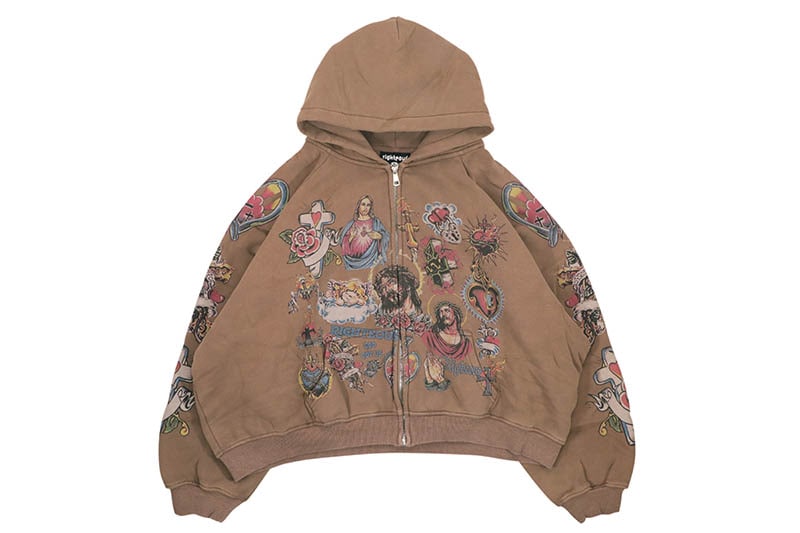
A hooded sweatshirt is one of those pieces that silently turns into a wardrobe staple, put into rotation more often than most people admit when they first buy it. If you’ve invested in a piece from a righteous clothing brand, the way you launder, tumble or air dry, and stow it will dictate whether it remains crisp and clean in two years or starts looking worn and washed out after two months. Care habits matter more than most shoppers realize, and small mistakes compound quickly across dozens of wash cycles. This guide breaks down exactly how to protect a righteous hoodie so the fit, print, and fabric hold up wash after wash. Topics include water temperature for washing, drying techniques, how to handle stains, and long-term storage, plus a comparison table illustrating how various care approaches impact how long a garment lasts. There’s nothing tricky about any of it, but it does demand regularity, and regularity is where most people come up short.
Why Hoodie Care Actually Matters
When mistreated, fleece from a cotton blend — widely used in high-end streetwear — degrades faster than expected. Warmth is the main culprit — washing hot and drying on high make fibers contract, cause printed designs to crack, and lead to pilling on the brushed inner lining. Anyone who’s read a righteous review we are righteous hoodie or browsed feedback on a righteous clothing brand knows that the fit and the print quality are among the most complimented qualities, and both are also what suffers first under poor care. Realistically, one that’s cold-washed and air-dried can hold up for 3 to 5 years of typical wear before any real deterioration sets in. Within 15 to 20 washes, the same hoodie washed in hot water and tumble-dried on high heat often shows signs of pilling and shrinkage, sometimes shrinking by as much as 5%. Especially on roomy, boxy shapes that define a lot of current streetwear design language going into 2026, that’s a noticeable difference in sleeve length and body fit.
Worth noting too is a cost-related side to the topic. Replacing a hoodie every year due to preventable wear ends up pricier over a five-year span than just one hoodie maintained the right way throughout. Righteous apparel is designed with heavier weight fabric, typically in the 350-450 GSM range for hoodies, which is denser than fast-fashion basics hovering near 250 GSM. Denser material keeps its form more effectively but nonetheless calls for appropriate maintenance to steer clear of matting and heavy lint buildup. Ignoring how a piece should be cared for because “it’s just a hoodie” is how good pieces end up in the donation pile long before they should.
A Guide to Laundering: Temperature, Cleanser Choice, and Wash Frequency
For laundering a righteous hoodie, cool water between 30°C and 40°C (86°F to 104°F) is the safest range, sparing both the fibers and the graphic. Graphic damage and color bleed result from hot water above 60°C, especially on deeper-toned dyes that haven’t completely set. Turn the hoodie inside out before washing — this small precaution shields printed or embroidered logos from friction against the drum and against buttons or zippers on other items washed alongside it. Opt for a gentle liquid detergent instead of a powdered one, since powder detergent can leave residue in fleece fibers that stiffens the fabric over time. Leave fabric softener out of the routine completely; it leaves a waxy coating on the cotton fibers that actually reduces the fleece’s softness after repeated washes, which is surprising yet solidly confirmed in textile care research.
Equally important is how often you launder the piece. Unlike t-shirts, hoodies don’t require a wash after each and every wear, since skin contact tends to be brief and indirect. Washing every 3 to 4 wears is typically enough unless you’ve been sweating heavily or the piece has visible stains. Since every wash cycle mechanically strains the fibers, overwashing is one of the fastest ways to wear down a righteous hoodie prematurely, so trimming needless washes by 30% or more can noticeably stretch its lifespan. Group similar colors together when washing, always, and separate anything with zippers, studs, or rough hardware that could snag the fleece interior.
The Right Way to Dry Without Compromising the Fit
Shoulder stretching can result from hanging when the GSM is substantial enough, and that’s the reason flat drying stands as best practice for every hoodie, particularly heavier weight pieces from a we are righteous collection. Lay the hoodie on a dry, clean towel, reshape it to its initial form, and let it dry shielded from sunlight, as it may fade both the fabric’s color and any graphic prints with repeated exposure. The entire drying process usually takes 12 to 24 hours according to humidity and fabric thickness. Should time be tight, a low-heat tumble cycle for a shortened cycle — roughly 15 minutes — then finishing with flat drying to finish is a workable trade-off, but high-heat cycles should never be used on a hoodie you’d like to last long term.
An overlooked detail people overlook is that overfilling the dryer with a heavy load results in inconsistent drying and more friction, which speeds up pilling. Run smaller drying loads for hoodies, preferably no more than 3 to 4 similar-weight items at once. Skip dryer sheets too for the same reason softener is a bad idea — the residue they leave flattens the fleece feel and cuts down breathability. When a righteous hoodie emerges a bit creased post-drying, a low-heat iron on the back side, or inside-out steaming, revives the fabric without endangering the graphic up front.
Handling Stains and Localized Cleaning
Nothing matters more than a quick response to stains. Press gently rather than scrubbing, since scrubbing drives the substance further into the fleece rather than pulling it free. When the stain is oil-based, a bit of dish soap applied right onto it and left for 5 to 10 minutes before washing beats washing it right away. With ink or dye transfer, a cotton swab dipped in rubbing alcohol, tested first on an inside seam, can lift the mark without damaging the fabric around it. Steer clear of bleach altogether on printed or colored hoodies — contact with even watered-down bleach can leave lasting discoloration near graphics in mere seconds.
Grass stains and mud, common on outdoor-worn apparel, respond well to a pre-soak in cold water with a stain-specific enzyme cleaner for 20 to 30 minutes before the regular wash cycle. Always check the stained area after washing and before drying — dryer heat makes stains permanent, so should a stain still show after the wash, treat it again rather than putting the garment in the dryer. This patience saves hoodies that would otherwise be written off as ruined after a single accident.
Storing Hoodies for the Long Haul
Rather than hanging, folding is the smarter storage choice for hoodies, since months of hanging by the shoulder area can pull the neckline and seams out of shape under the garment’s own weight. Store folded hoodies in a drawer or on a shelf in a cool, dry space away from direct sunlight, which prevents both fading and the musty smell that develops in humid storage conditions. Placing cedar blocks or lavender sachets close by help repel moths, which are drawn toward natural fibers found in most righteous clothing. Rotate seasonal storage every 6 months if you live somewhere with a real off-season, and always store hoodies clean — unnoticed food residue and body oils can attract pests and lead to yellowing over time, even when no staining is apparent at storage time.
For anyone building a small capsule collection around a we are righteous brand aesthetic, spacing hoodies loosely in storage rather than compressing them tightly under other garments preserves the loft of the fleece interior. Vacuum-sealed bags are convenient for space-saving but can flatten fleece permanently if left compressed for more than a few weeks, so they’re better suited for short-term travel packing than year-round storage.
Head-to-Head Overview: How Care Habits Make a Difference
| Caring Method | Suggested Approach | Ineffective Approach | Expected Impact on Longevity |
|---|---|---|---|
| Wash Temperature | Cold, 30-40°C | Hot, above 60°C | Adds 2-3 years to lifespan |
| Method of Drying | Lay flat to air dry | High-heat tumble dry | Limits shrinkage to a maximum of 5% |
| Frequency of Washing | Every 3 to 4 wears | Every time it’s worn | Decreases fiber stress roughly 30% |
| Detergent Type | Liquid detergent, mild formula | Powder detergent with fabric softener | Protects softness and print detail |
| Storage | Folded and stored in cool, dry conditions | Left hanging long-term or compressed | Keeps seams and shoulders from distorting |
Last Thoughts on Keeping the Value of Your Purchase
Looking after a righteous hoodie doesn’t mean coddling the item — the real point is being clear on what really leads to damage and steering clear of those particular mistakes consistently. Most of the work is done by cool-water washing, careful drying, quick stain response, and thoughtful storage, in combination, and none of these steps require significant extra time once they turn into routine. Readers browsing a we are righteous review will likely notice how often construction quality and the weight of the fabric get praised, and that standard is worth safeguarding through the way the piece is genuinely cared for at home. A hoodie that’s looked after well doesn’t just last longer physically; it continues to appear deliberate and current rather than tired, which matters for a piece meant to anchor a wardrobe rather than blend in unnoticed. Treat the fabric with the same care paid when selecting it in the first place, and a righteous hoodie bought in early 2026 has every reason to still look sharp well beyond that year.